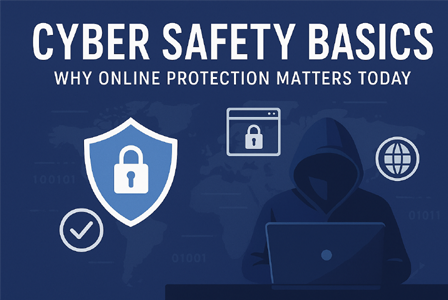
The internet has transformed the way we live, work, and communicate. From online banking and shopping to social networking and education, digital platforms have become part of our everyday lives. While this brings immense convenience, it also exposes us to risks that can compromise our privacy, finances, and even safety. This is where cyber safety plays a critical role.
In today’s digital-first world, protecting yourself online is no longer optional—it’s essential.
What is Cyber Safety?
Cyber safety refers to the practices and precautions individuals take to protect themselves, their data, and their devices from online threats. It is about being aware of risks and adopting safe habits while using digital tools, whether on a smartphone, computer, or smart device.
Why Online Protection Matters Today
1. Rising Cyber Threats
Cybercriminals are becoming more sophisticated. Phishing attacks, ransomware, data breaches, and online fraud are growing every year. Even a small mistake, like clicking on a suspicious link, can lead to major consequences.
2. Personal Data is Valuable
Your personal details—such as Aadhaar number, bank information, photos, and browsing habits—can be misused if they fall into the wrong hands. Criminals often sell or exploit this information for profit.
3. Children and Teenagers are More Vulnerable
Young internet users often lack awareness about digital risks. From cyberbullying to exposure to harmful content, children need strong guidance and protection.
4. Financial Safety is at Risk
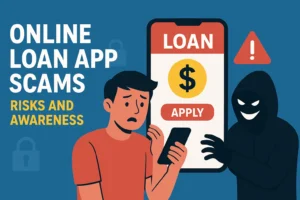
With UPI, digital wallets, and online shopping on the rise, scammers are constantly finding new ways to trick users. Without basic cyber safety practices, financial loss is a real danger.
5. Your Digital Footprint Lasts Forever
Every post, comment, or photo shared online adds to your digital footprint. This can affect your reputation, job opportunities, and even personal safety if misused.
Cyber Safety Best Practices for Everyone
✅ Use Strong and Unique Passwords – Avoid common passwords and use password managers.
✅ Enable Two-Factor Authentication (2FA) – Adds an extra layer of security.
✅ Think Before You Click – Don’t open links or attachments from unknown sources.
✅ Keep Software Updated – Security patches protect you from known vulnerabilities.
✅ Use Secure Wi-Fi – Avoid public Wi-Fi for sensitive activities like banking.
✅ Educate Children About Online Risks – Encourage open communication about their digital activities.
✅ Backup Your Data – Regular backups prevent data loss during attacks.
Conclusion
Cyber safety is not just about technology—it’s about responsibility and awareness. As we spend more time online, the risks increase, but so do the tools and practices to protect ourselves. By following simple safety habits and staying alert, we can enjoy the benefits of the digital world without falling prey to its dangers.
Staying safe online is no longer just an option—it’s a necessity for everyone.