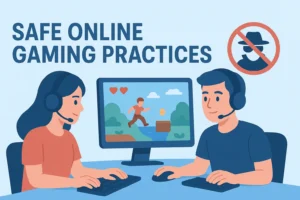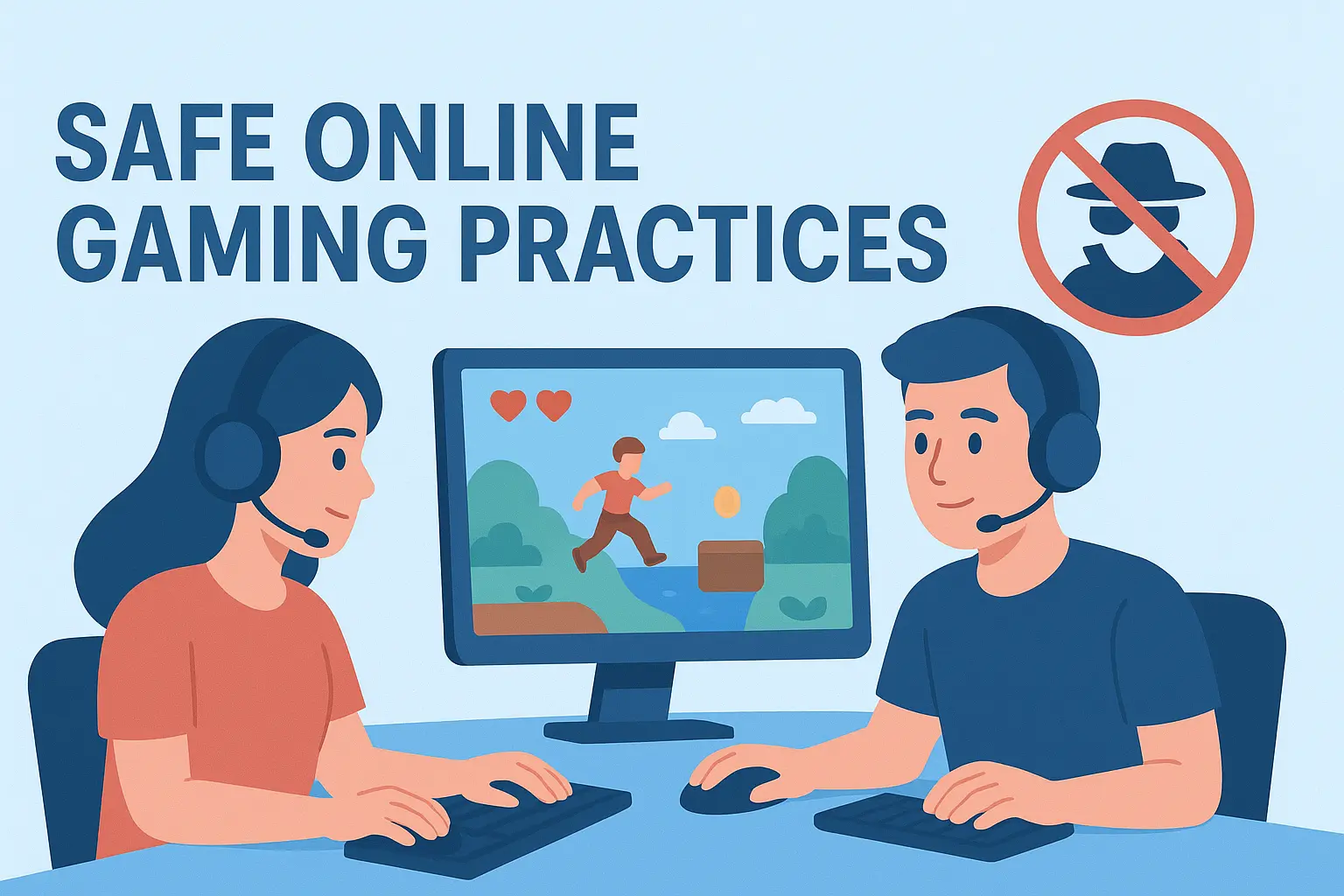
Online gaming is no longer just a hobby — it has become a global culture. From multiplayer battle games like Fortnite and PUBG to educational platforms like Minecraft, gaming attracts millions of children, teenagers, and young adults every day. While online gaming can be entertaining, interactive, and even skill-building, it also brings several risks that parents, guardians, and young players need to be aware of.
Without proper awareness, gaming can expose players to cyberbullying, online predators, scams, unhealthy habits, and even financial risks. That’s why safe gaming practices are essential to make the most of the digital experience while avoiding its downsides.
This guide provides complete advice on how kids and young adults can enjoy online gaming safely and responsibly.
Why Safety in Online Gaming Is Important
Many young players think of online gaming as just fun, but in reality, it’s a social platform similar to social media. Gamers connect, communicate, and sometimes share personal information — knowingly or unknowingly.
Here are some reasons why safety matters:
- Stranger interaction: Games often pair players with strangers, which can lead to unsafe conversations or exposure to inappropriate content.
- Cyberbullying: Toxic behavior, insults, and harassment are common in competitive gaming communities.
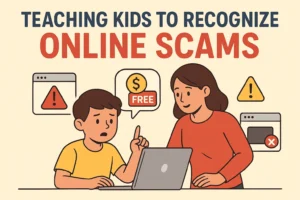
- Online scams: Fake websites, free-coin offers, and phishing links can trick kids into giving away money or personal data.
- Addiction & health concerns: Spending too much time gaming can affect mental health, sleep cycles, and academic performance.
By learning safe practices, players can still enjoy gaming while staying secure.
Safe Gaming Practices for Kids & Young Adults
1. Pick Age-Appropriate Games
Parents should always check game ratings such as ESRB or PEGI before allowing children to play. These ratings indicate whether the game’s content is suitable for a particular age group. For example, younger kids should avoid games with violence or explicit chat features.
2. Protect Personal Privacy
One of the biggest risks in gaming is oversharing personal details. Kids and young adults should:
- Use nicknames or gamer tags instead of real names.
- Never share addresses, phone numbers, or school details in chats.
- Disable location-sharing features in both games and consoles.
Simple steps like these can protect young gamers from being targeted by strangers.
3. Be Careful With Online Friends
It’s easy to meet people through games, but not everyone has good intentions. Teach children to:
- Avoid accepting friend requests from unknown players.
- Decline video or voice chats with strangers.
- Immediately block and report anyone who behaves suspiciously.
Parents should remind children that not everyone online is who they claim to be.
4. Keep Accounts Secure
Gaming accounts often store personal data and payment details. To secure them:
- Use strong, unique passwords.
- Enable two-factor authentication (2FA) whenever available.
- Never share passwords with friends, even if they insist.
Young players should also learn to recognize phishing attempts disguised as “free rewards” or “cheat codes.”
5. Set Healthy Gaming Limits
Playing for long hours can cause physical strain and affect studies. To maintain balance:
- Follow the 20-20-20 rule: every 20 minutes, take a 20-second break to look at something 20 feet away.
- Establish gaming schedules to ensure schoolwork and sleep are not disturbed.
- Encourage kids to combine gaming with outdoor activities, sports, or family time.
This balance prevents addiction and helps develop a healthier lifestyle.
6. Be Aware of In-Game Purchases
Many games offer extra features through microtransactions. Children may be tempted to spend on skins, loot boxes, or upgrades. Parents can:
- Activate parental controls to prevent unauthorized purchases.
- Explain the value of money and set clear spending rules.
- Encourage budgeting if teenagers are spending their own money.
This way, children learn financial responsibility while avoiding unnecessary expenses.
7. Prevent and Handle Cyberbullying
Toxic behavior in gaming is common. Kids should know how to handle it without emotional distress:
- Never respond to abusive messages.
- Take screenshots to report the bully if needed.
- Use in-game tools to mute, block, or report offenders.
Parents should maintain open conversations so children feel safe reporting negative experiences.
8. Watch Out for Online Scams
Scammers often target young gamers with fake promises of “free coins,” “unlimited lives,” or “exclusive skins.” To stay safe:
- Only download games from official sources such as Google Play, App Store, or trusted PC/console stores.
- Avoid clicking on unknown links shared in chat groups.
- Learn to identify fake websites that look similar to official ones.
Raising awareness about scams early helps children avoid falling victim later.
9. Encourage Family Involvement
Parents don’t need to ban gaming — instead, they should participate. Playing together as a family helps to:
- Build trust and bonding.
- Monitor the type of content children are exposed to.
- Teach real-time lessons about dealing with strangers or negativity online.
Family participation transforms gaming into a positive shared experience.
Conclusion
Online gaming can be a wonderful way for kids and young adults to connect, learn, and have fun. It encourages creativity, problem-solving, and teamwork. But safety must always be a priority. By practicing simple yet effective habits — like protecting privacy, limiting screen time, securing accounts, and being cautious with strangers — young players can enjoy games without falling into risks.
For parents, the key is guidance, not restriction. Open communication, awareness of gaming trends, and occasional involvement in playtime will help children develop safe and healthy gaming habits.
In the end, online gaming is like any other digital tool — safe when used wisely, harmful if misused. With the right practices, kids and young adults can enjoy the best of gaming while building strong, responsible digital skills for the future.