Introduction
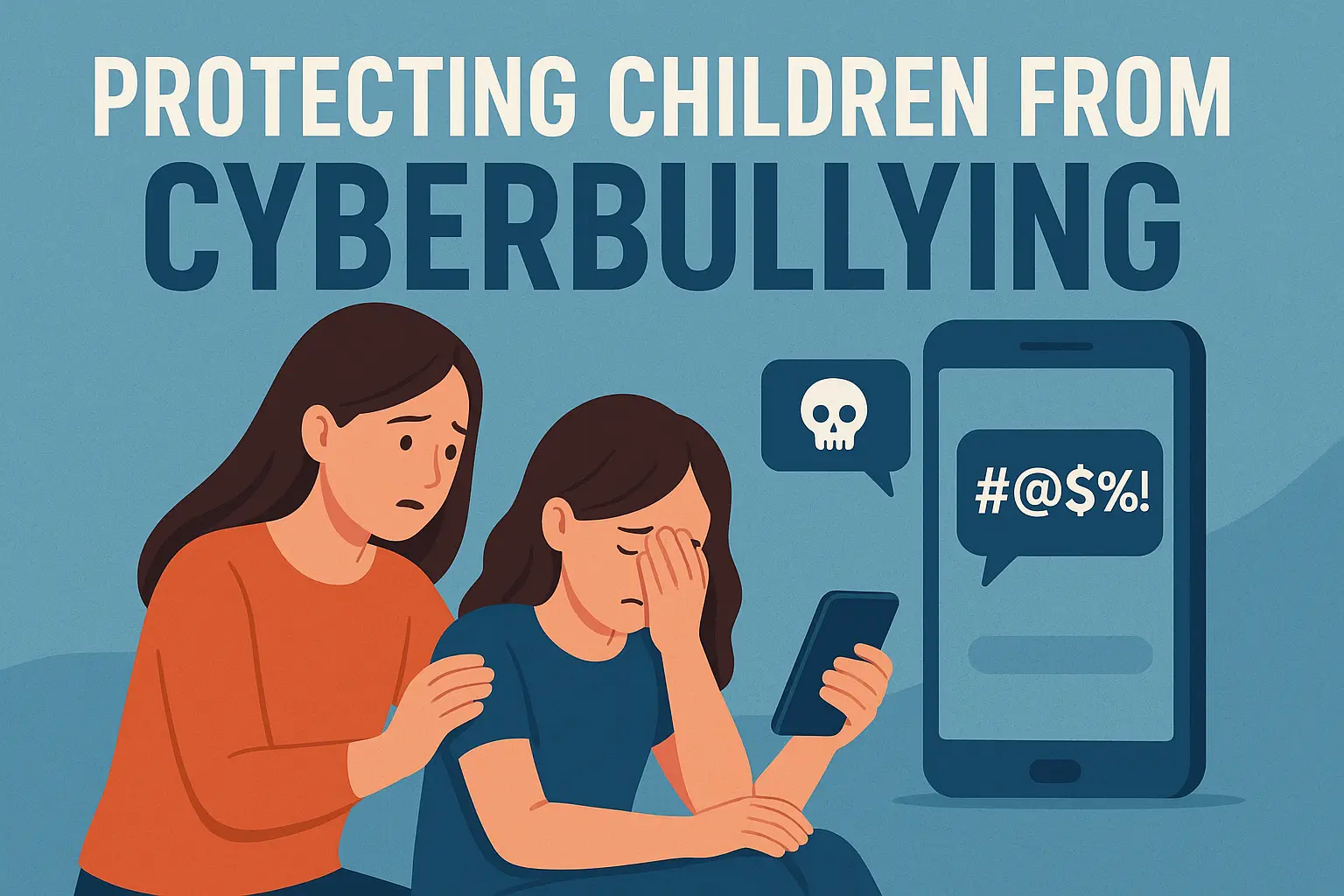
In today’s digital age, children spend more time online than ever before—studying, socializing, and exploring. While the internet brings many opportunities, it also exposes them to cyberbullying, a growing concern for parents and educators worldwide. Cyberbullying can deeply affect a child’s emotional well-being, academic performance, and overall mental health. As a parent, understanding how to prevent, identify, and address cyberbullying is crucial to protecting your child.
What is Cyberbullying?
Cyberbullying refers to using digital platforms—such as social media, messaging apps, or gaming communities—to harass, threaten, or humiliate someone. Unlike traditional bullying, cyberbullying can happen 24/7 and often leaves children feeling trapped, anxious, or isolated.
The Impact of Cyberbullying on Children
Cyberbullying can have serious short-term and long-term effects on children, including:
- Emotional Impact: Anxiety, stress, depression, and low self-esteem.
- Academic Decline: Loss of concentration, poor grades, and avoidance of school.
- Social Withdrawal: Fear of using devices, avoiding friends, or self-isolation.
- Health Issues: Sleep disturbances, headaches, or other stress-related problems.
- Severe Consequences: In extreme cases, cyberbullying can lead to self-harm or suicidal thoughts.
Role of Parents in Preventing Cyberbullying
Parents are the first line of defense in protecting children. Here’s how you can help:
- Open Communication
Encourage your child to share their online experiences. Build trust so they can approach you without fear of punishment. - Set Healthy Digital Boundaries
Establish screen time rules, monitor online activity, and guide them about safe internet use. - Educate About Online Safety
Teach your child to avoid sharing personal information, block suspicious accounts, and report harmful behavior. - Recognize Warning Signs
Look out for mood swings, reluctance to use devices, or sudden drop in grades—these could signal cyberbullying.
Role of Schools in Addressing Cyberbullying
Schools play a vital role in creating a safe digital environment:
- Implement cyber safety policies and awareness programs.
- Encourage students to report incidents without fear.
- Provide counseling and emotional support to victims.
- Educate children about responsible online behavior.
Role of Society in Combating Cyberbullying
Cyberbullying is not just a family or school issue—it’s a societal concern. Communities can help by:
- Organizing digital literacy workshops for parents and children.
- Promoting positive online communities where respect and kindness are valued.
- Supporting strict legal action against online harassment.
- Encouraging media and influencers to spread awareness.
How Parents Can Take Immediate Action if Their Child is Cyberbullied
- Document the Evidence: Save screenshots, messages, or posts as proof.
- Block and Report: Use platform tools to block bullies and report abusive behavior.
- Seek Support: Contact school authorities or local cybercrime helplines.
- Offer Emotional Care: Reassure your child that they are not alone and that help is available.
Conclusion
Protecting children from cyberbullying requires a combined effort of parents, schools, and society. By fostering open communication, setting healthy online boundaries, and promoting kindness in the digital world, we can make the internet a safer place for our children.
As parents, staying informed and proactive is the most powerful shield against cyberbullying.