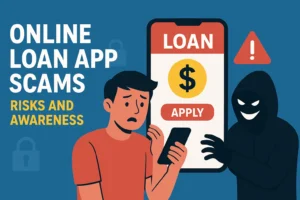
In today’s fast-paced digital world, financial services have become more accessible than ever. With just a few clicks, people can apply for loans, receive instant approvals, and get money transferred directly to their bank accounts. While this convenience has made life easier for many, it has also created opportunities for fraudsters to exploit vulnerable individuals. One of the most alarming trends is the rise of online loan app scams, which have become increasingly common in recent years.
This article explores the risks of loan app scams, how they work, real-world examples, and practical safety tips to protect yourself and your loved ones.
What Are Online Loan App Scams?
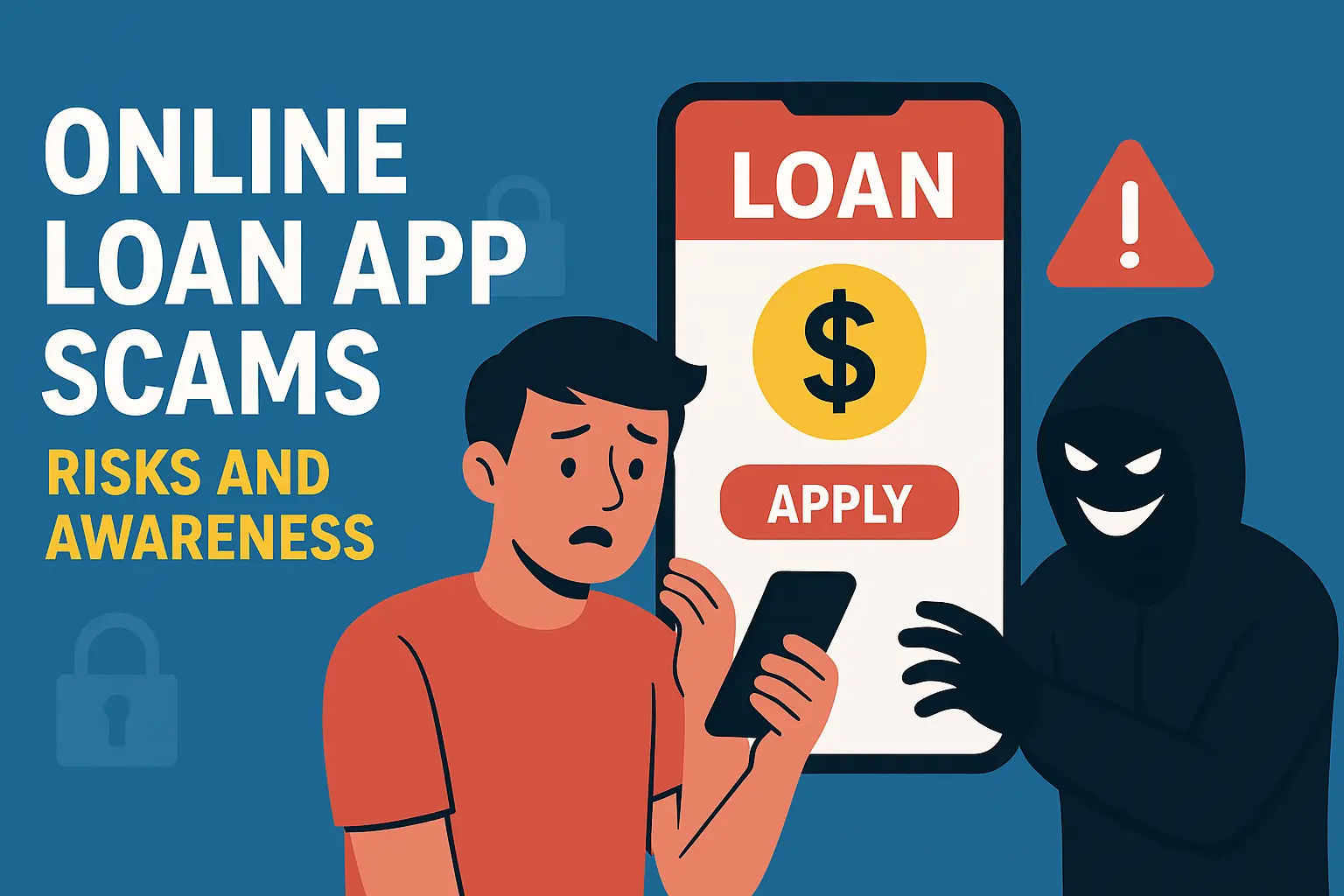
Online loan app scams are fraudulent financial services disguised as genuine loan providers. Scammers develop mobile apps or websites that look professional and promise quick loans with minimal documentation. Victims, often in urgent need of money, fall into the trap of downloading these apps, providing personal details, and accepting loans.
The problem begins when these apps misuse the borrower’s personal information, charge exorbitant interest rates, or harass them through threats and blackmail.
How Do Loan App Scams Work?
Scam loan apps generally follow a pattern:
- Attractive Offers
Fraudulent apps advertise instant personal loans with low interest rates and no credit checks. The ads often circulate on social media, SMS, or even search engine results. - Easy Approval
Once users download the app, they are asked to upload Aadhaar, PAN, and bank account details. Since approval is “guaranteed,” users quickly agree. - Hidden Charges and High Interest
Although the app initially claims to provide loans at low interest, hidden charges and daily interest deductions make repayment almost impossible. - Data Theft
The app typically requests access to contacts, photos, and other personal files on the phone. Later, this data is misused for blackmail or harassment. - Harassment for Repayment
When borrowers fail to repay (often because of unfair conditions), scammers begin threatening them. Many have reported receiving abusive messages, threats to call family/friends, and even morphed photos being circulated.
Real-Life Examples of Loan App Scams
- Case of Andhra Pradesh (2020)
Several individuals fell prey to illegal loan apps. Victims borrowed small amounts, but due to hidden fees and high interest, their debts multiplied. Many borrowers were harassed, and sadly, some even died by suicide due to constant threats. - Chinese Loan Apps in India (2021)
A police investigation revealed that many loan apps were run by companies with links to China. These apps illegally collected data and threatened users. Thousands of victims lost money and privacy. - “Quick Money” Apps on Google Play
Despite app store policies, many fraudulent apps have appeared under names like Quick Loan, Cash Now, or Easy Credit. They often rebrand themselves after being reported or banned, making it hard for users to distinguish between legitimate and fake ones.
Why Are People Falling for These Scams?
Several reasons make online loan scams successful:
- Urgency of Need: People in financial emergencies are less cautious.
- Lack of Financial Literacy: Many do not understand terms like APR (Annual Percentage Rate) or hidden fees.
- Trust in Technology: If an app appears on Google Play or has positive reviews (often fake), users assume it’s safe.
- Social Pressure: Threats to family, friends, and employers make victims comply with scammers’ demands.
Risks of Online Loan App Scams
- Financial Loss
Victims end up paying far more than they borrowed due to unfair interest rates and penalties. - Identity Theft
Fraudulent apps misuse sensitive documents like Aadhaar and PAN for criminal activities. - Privacy Breach
Access to contacts, photos, and social media accounts leads to blackmail and harassment. - Mental Health Issues
Victims often face anxiety, stress, and even depression due to continuous threats and social humiliation. - Legal Troubles
In some cases, fraudsters use stolen data for illegal transactions, which can drag innocent victims into legal problems.
Safety Tips to Protect Yourself
Here are practical ways to avoid falling prey to loan app scams:
1. Verify Before You Borrow
- Only download loan apps regulated by the Reserve Bank of India (RBI).
- Check whether the app is linked to a legitimate bank or Non-Banking Financial Company (NBFC).
- Visit the RBI website to confirm if the lender is registered.
2. Read the Fine Print
- Always check the interest rates, processing fees, and repayment terms before borrowing.
- Be cautious if the app avoids transparency about charges.
3. Check App Permissions
- Avoid apps that ask for unnecessary permissions like access to contacts, gallery, or location.
- If permissions look suspicious, uninstall immediately.
4. Don’t Trust Fake Reviews
- Fraudulent apps often use paid reviews to appear trustworthy. Look for detailed reviews on independent forums instead of just app store ratings.
5. Never Share Sensitive Data Randomly
- Do not upload Aadhaar, PAN, or banking details without verifying authenticity.
- Avoid sharing OTPs or passwords with anyone claiming to represent loan providers.
6. Report Suspicious Apps
- Report fraudulent apps to Google Play, the RBI, and local cybercrime authorities.
- In India, you can file a complaint through the National Cybercrime Reporting Portal (cybercrime.gov.in).
7. Prefer Official Channels
- Instead of relying on random apps, use trusted banking apps or NBFC websites.
- Banks like SBI, HDFC, ICICI, and other regulated institutions have official apps with secured loan features.
What To Do If You’ve Been Scammed
If you realize you’ve become a victim of a loan app scam:
- Stop All Payments: Do not continue transferring money out of fear.
- File a Complaint: Approach the cybercrime cell in your city or file a complaint online.
- Block Access: Remove the app immediately, reset your phone permissions, and change your banking passwords.
- Inform Your Contacts: Warn family and friends not to engage with suspicious calls or messages using your name.
- Seek Support: Do not suffer in silence. If harassment becomes unbearable, seek legal help and talk to trusted people.
Final Thoughts
Online loan apps are not inherently bad—many regulated apps have genuinely helped people in financial emergencies. However, the rising number of fraudulent loan apps has made it essential for users to stay alert and informed.
Remember: if something sounds “too good to be true,” it probably is. Always verify the authenticity of financial services, never share sensitive data with unverified apps, and report suspicious activity immediately.
By spreading awareness and practicing safe digital habits, we can protect ourselves and others from falling into the dangerous trap of loan app scams.