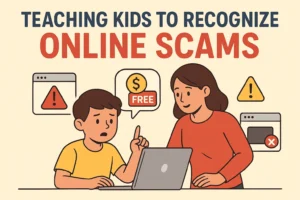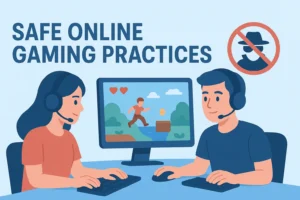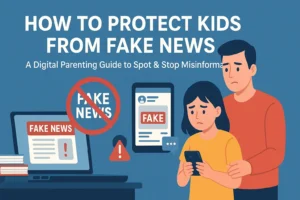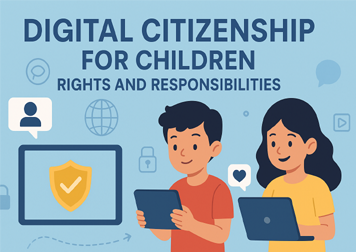
In today’s world, children are not just citizens of their countries — they are also digital citizens. From online learning and gaming to social media and communication, kids are growing up in a digital-first environment. This makes it essential to understand what digital citizenship means and how children can enjoy their rights while respecting their responsibilities online.
What is Digital Citizenship?
Digital citizenship refers to the safe, responsible, and ethical use of technology. It teaches children how to navigate the digital world positively — protecting themselves, respecting others, and making meaningful contributions online.
Rights of Children as Digital Citizens
Just as children have rights in the real world, they have rights in the digital space too. These include:
- Right to Access Information
Children have the right to explore educational resources, knowledge, and creativity through digital platforms. - Right to Privacy & Protection
Every child deserves protection of their personal data and online identity. - Right to Freedom of Expression
Kids can express themselves online in positive, safe, and creative ways — sharing ideas, opinions, and talents. - Right to Digital Participation
Children should be encouraged to engage in safe online communities, e-learning, and innovation.
Responsibilities of Children as Digital Citizens
With rights come responsibilities. Children must learn how to use digital tools wisely:
- Protect Your Personal Information
Never share passwords, addresses, or sensitive details online. - Be Respectful & Kind
Cyberbullying, trolling, or spreading hate are against digital ethics. Treat others with the same respect as in real life. - Think Before You Post
Every post creates a digital footprint. Children should share only safe, appropriate, and positive content. - Follow Online Rules & Laws
Downloading pirated content, spreading fake news, or hacking are illegal and harmful. Kids must understand basic cyber laws. - Report Unsafe Behavior
If they encounter bullying, scams, or inappropriate content, children should know how to block, report, and seek adult help.
Teaching Digital Citizenship: Role of Parents & Educators
- Parents can guide children with safe internet rules, monitor usage, and encourage open discussions.
- Teachers can integrate digital literacy and online ethics into the classroom.
- Communities can promote awareness programs on online safety and cyber laws.
Conclusion
Digital citizenship for children is about balancing rights with responsibilities. By empowering children with knowledge, values, and practical digital skills, we can ensure they grow up as responsible, respectful, and safe online citizens.
The digital world is their second home — let’s make it a safe, nurturing, and empowering space.