Introduction
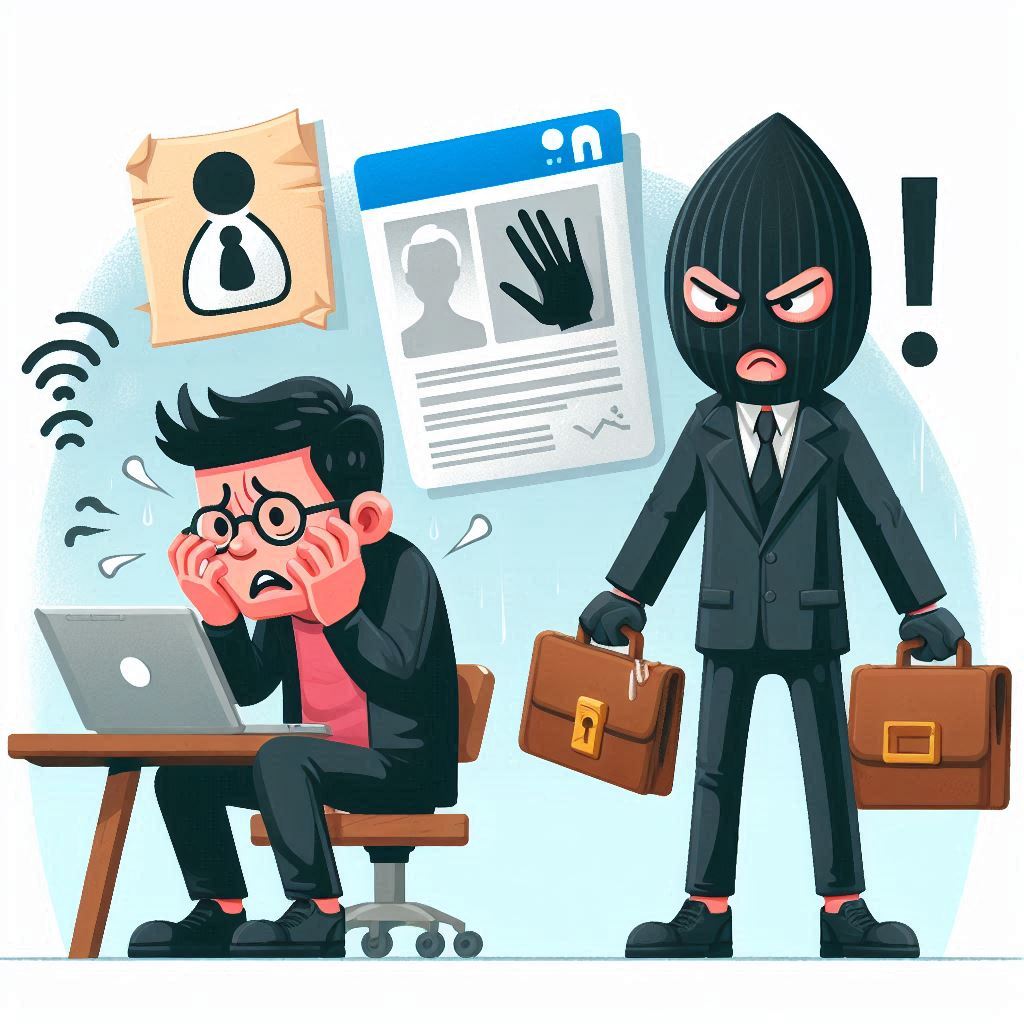
In the digital age, personal information is as valuable as money. Unfortunately, scammers are increasingly exploiting this fact through identity theft scams — where they steal someone’s personal data and misuse it for fraudulent purposes. From fake loans to SIM card cloning, the consequences can be devastating for victims.
This post explains how identity theft scams work, their causes, effects, and how you can protect yourself.
What is Identity Theft?
Identity theft is the illegal use of someone’s personal or financial details — such as Aadhaar number, PAN, bank account information, or phone number — without their permission, typically for financial gain or criminal activities.
Causes of Identity Theft Scams
- Data Breaches
Large-scale leaks from government portals, banking systems, and private companies expose millions of personal records. - Phishing Attacks
Fraudulent emails, SMS, or WhatsApp messages trick users into revealing sensitive information. - Weak Cyber Hygiene
Using the same password for multiple accounts, not updating software, or using public Wi-Fi without protection. - Social Engineering
Scammers manipulate victims psychologically to disclose confidential data (e.g., pretending to be bank officials). - Physical Theft of Documents
Lost wallets, stolen Aadhaar/PAN cards, or improperly discarded paperwork can be exploited. - Unsecured Apps & Websites
Downloading apps from unverified sources or transacting on unsecured websites (HTTP instead of HTTPS).
Effects of Identity Theft
- Financial Loss
Fraudsters may open bank accounts, take loans, or make unauthorized transactions in your name. - Damage to Credit Score
Missed payments on fraudulent loans can harm your credit score, making it hard to get genuine loans. - Legal Trouble
Victims may get wrongfully linked to criminal activities or tax fraud. - Mental & Emotional Stress
The anxiety of clearing one’s name and reclaiming financial stability can be overwhelming. - Loss of Reputation
Especially harmful for business owners, professionals, and public figures.
Prevention Techniques
1. Secure Your Personal Data
- Keep physical documents in a safe place.
- Shred old bank statements and identity proofs before disposal.
2. Practice Strong Cybersecurity Habits
- Use strong, unique passwords for each account.
- Enable two-factor authentication (2FA) wherever possible.
- Avoid public Wi-Fi for sensitive transactions.
3. Be Cautious Online
- Verify the authenticity of websites before entering personal details.
- Avoid clicking on suspicious links or downloading unknown attachments.
4. Monitor Your Accounts
- Regularly check bank and credit card statements.
- Get a free credit score report periodically to spot unusual activity.
5. Limit Sharing on Social Media
- Do not overshare personal details like your birthdate, phone number, or address online.
6. Use Official Apps & Portals
- For government services, use official portals such as DigiLocker, UMANG, and verified bank apps.
What to Do If You’re a Victim
- Report immediately to local police and file a FIR.
- Contact your bank to freeze compromised accounts.
- Lodge a complaint on the National Cyber Crime Reporting Portal.
- Notify credit bureaus to prevent further misuse.
Conclusion
Identity theft scams are growing due to increased digitization and weak cybersecurity practices. Staying vigilant, securing personal data, and knowing the right steps to take in case of an incident can help minimize the damage. Remember, prevention is always better than cure — your identity is your most valuable asset, protect it like you would your money.







1 thought on “Identity Theft Scams: Causes, Effects, and Prevention Techniques”