codinginschool
Teaching coding to school students (upper primary to high school) is very important in 21st Century and it is a part of 21st century learning skill. But it is very challenging to choose a tools or programming language for a 5th or 6th standard students. The primary challenge is most of the students are getting bored or impatient by writing code. To make it easy, fun and enjoyable, we have some great tools which can be used for free.
These are some best fun coding tools for school students to learn Coding.
Scratch
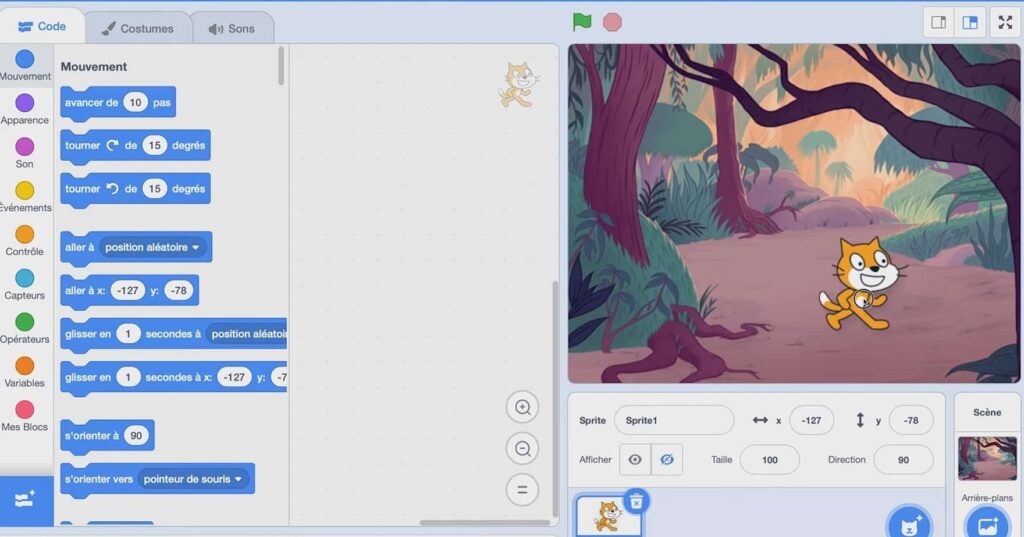
Scratch is a free programming tools with a visual interface where students can create games, animation and stories using drag and drop blocks.
Website: https://scratch.mit.edu/
Turtle Block
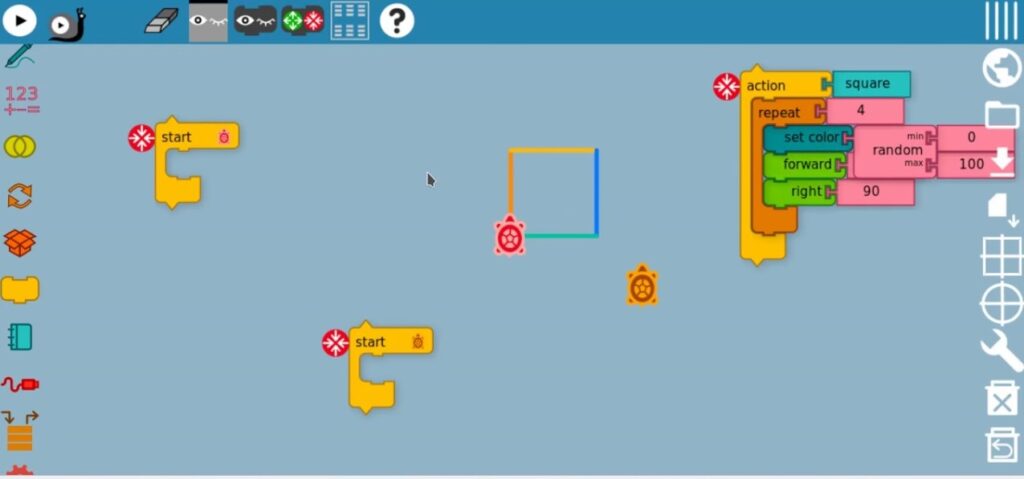
Turtle block is visual programming tools where a turtle draw picture using coding. It will help student to understand logic, condition and loop very easily. It is free to use.
mBlock for robotics.
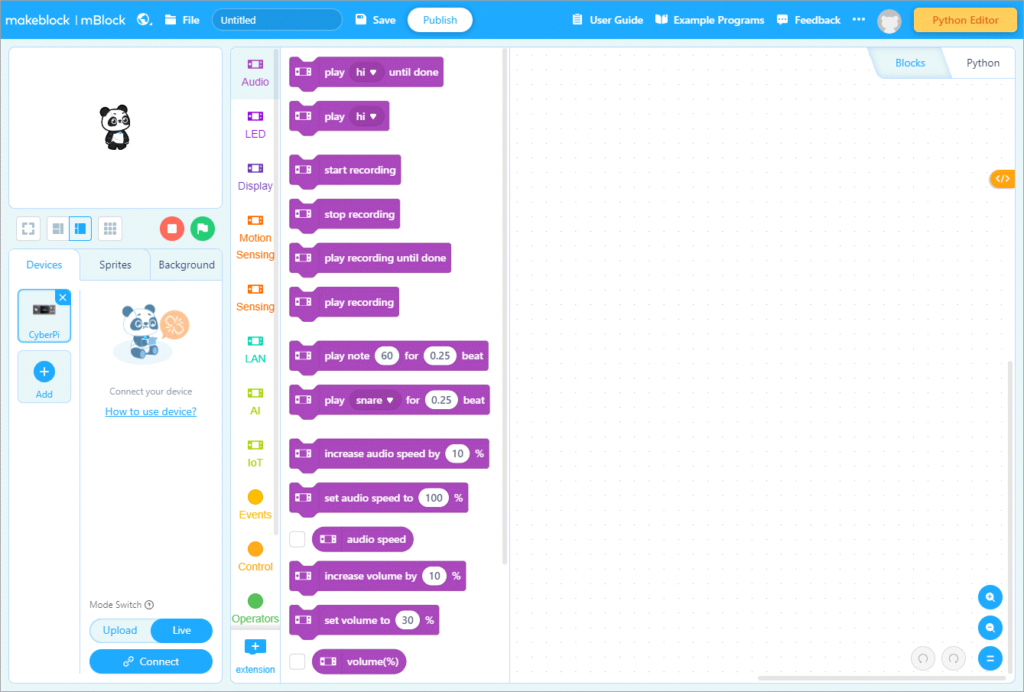
MakeBlock or mBLock is a graphical block based coding platform to programme a bot or robot.
Website: https://www.mblock.cc/en/
Code.org
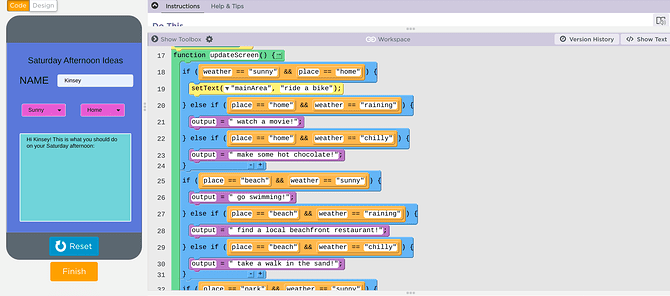
Code.org is a very helpful website to learn coding and computer science. It plays an important role in K-12 education.
Website: https://code.org/
Kodable
It is subscription based online tools to learn coding for K-5 Child play a important role in integrated learning.
Website: https://www.kodable.com/






Learning coding at a young age is essential for developing problem-solving skills and creativity. Tools like Scratch and Turtle Block make it fun and engaging for students to grasp programming concepts. Code.org is a fantastic resource for both teachers and students to explore computer science. It’s amazing how these platforms can turn complex ideas into simple, interactive lessons. How can we ensure that these tools are accessible to all students, regardless of their background?
Teaching coding to students is indeed crucial in today’s world, and I completely agree with the emphasis on making it fun and engaging. Tools like Scratch and Turtle Block seem like excellent starting points for young learners. However, I wonder if there’s a risk of students relying too much on visual programming and struggling with text-based coding later. How do you ensure a smooth transition from block-based to text-based programming? Also, while Code.org is great, are there any free alternatives for K-5 students that offer a similar level of quality? I’d love to hear more about how these tools are being integrated into the curriculum and what kind of results they’re yielding. What’s your take on balancing creativity with technical skills in coding education?
Learning coding from a young age is indeed crucial in today’s world, and I appreciate how you’ve highlighted the challenges of keeping students engaged. Tools like Scratch and Turtle Block seem like fantastic ways to make coding fun and accessible. I’ve personally seen how visual programming can spark creativity in kids, but I wonder if there’s a risk of them relying too much on drag-and-drop interfaces without understanding the underlying logic. Do you think these tools are enough to build a strong foundation for more advanced programming later on? Also, how do you suggest balancing fun with the need to teach more complex concepts? I’d love to hear your thoughts on this!
Teaching coding to young students is indeed crucial in today’s digital age. I appreciate how the article highlights the challenges of keeping students engaged while learning something as complex as coding. Tools like Scratch and Turtle Block seem like excellent ways to make coding fun and accessible. However, I wonder if these tools are enough to sustain long-term interest in coding for all students. What about students who might not be as visually inclined? Are there other methods or tools that could complement these? Also, how do we ensure that teachers are well-equipped to use these tools effectively? It’s great to see resources like Code.org, but I’m curious about the balance between free and subscription-based tools. What’s your take on the accessibility of these resources for schools with limited budgets?
Teaching coding to students is indeed crucial in today’s world, and I appreciate the effort to make it fun and engaging. Scratch seems like a fantastic tool for younger students to get creative while learning the basics. Turtle Block’s approach to teaching logic through drawing is also quite innovative and could really help students grasp complex concepts. However, I wonder if these tools are enough to keep students engaged in the long term or if they might still lose interest over time. Do you think incorporating more real-world projects or challenges could help maintain their enthusiasm? Also, how do you address the varying skill levels among students in a classroom setting? It’s great to see free resources like these, but I’m curious if there’s a way to measure their effectiveness in improving coding skills. What’s your take on this?
I think teaching coding to younger students is a fantastic idea, especially in today’s digital age. Tools like Scratch and Turtle Block make learning fun and engaging, which is crucial for keeping students interested. However, I wonder if schools are providing enough training for teachers to use these tools effectively. Code.org seems like a great resource, but I’m curious if there are any studies on how it impacts long-term learning. Should coding be a mandatory subject in schools, or should it remain optional? I’d love to hear your thoughts on how we can better encourage students to explore coding without overwhelming them. What’s your experience with these tools, and do you think they’re sufficient for building a strong foundation in coding?
Teaching coding to students is indeed crucial in today’s world, and I completely agree with the emphasis on making it fun and engaging. Tools like Scratch and Turtle Block seem like excellent starting points for young learners. However, I wonder if there’s a risk of students relying too much on visual programming and struggling with text-based coding later. How do you ensure a smooth transition from block-based to text-based programming? Also, do you think schools are doing enough to integrate these tools into their curriculum effectively? I’d love to hear more about your experiences or any challenges you’ve faced in implementing these tools. What’s your take on balancing fun and foundational learning in coding education?
Teaching coding to young students is indeed crucial in today’s digital age. I think tools like Scratch and Turtle Block are fantastic for making coding fun and engaging. However, I wonder if these tools are enough to keep students interested in the long term. How do you ensure that students don’t lose interest after the initial excitement? Also, do you think schools are doing enough to integrate these tools into their curriculum? I believe hands-on projects, like programming robots, could make a big difference. What’s your take on balancing fun and educational value in coding tools? Would love to hear more about your experiences with these platforms!
Thank you for your comments. You are absolutely right about this. Scratch and Turtle block is not sufficient. It is just entry-level. But we can explore more tools like robotics or hands on project as you said. We are experimenting in a lab with school students. We are trying to link curriculum using these tools. Not only curriculum we are also trying to focus problem solving skills. And sure I will write my experiences in this portal.
Thank you
Teaching coding to students is undeniably essential for their future. However, I wonder if the focus on fun tools might overshadow the importance of understanding core programming concepts. Scratch and Turtle Block seem like great starting points, but how do we ensure students transition to more complex languages later? Also, what’s the best way to keep them engaged when the novelty of these tools wears off? I appreciate the mention of Code.org, but is its subscription model accessible to all schools, especially in underprivileged areas? Lastly, how do we measure the effectiveness of these tools in actually teaching coding skills? Would love to hear your thoughts!
Teaching coding to students is indeed essential in today’s world, and it’s great to see the focus on making it fun and engaging. I love how tools like Scratch and Turtle Block simplify learning by using visual interfaces, which can really spark creativity in young minds. However, I wonder if older students might outgrow these platforms quickly and need more advanced tools soon after. Do you think introducing text-based programming languages alongside these visual tools could help bridge that gap? Code.org seems like a fantastic resource, but I’m curious how it compares to other platforms like Scratch in terms of engagement. Also, how do teachers typically integrate these tools into their curriculum? It’s impressive how much potential there is to ignite a passion for coding, but I’m still left wondering if these tools are accessible to schools with limited budgets or tech resources. What’s your take on this?
Coding in schools is indeed a crucial skill for the 21st century, and I completely agree with the emphasis on making it fun and engaging for students. Tools like Scratch and Turtle Block seem like excellent ways to introduce coding concepts without overwhelming young learners. However, I wonder how effective these tools are in maintaining long-term interest, especially as students progress to more complex programming languages. Do you think schools should focus more on foundational logic or jump straight into practical applications like game development? Also, how do you address the challenge of students losing interest when coding becomes more text-based? I’d love to hear your thoughts on balancing fun with educational depth. What’s your take on integrating coding with other subjects to make it more relevant?
Teaching coding to students is indeed crucial in today’s world, and I completely agree that making it fun and engaging is the key. Tools like Scratch and Turtle Block seem like excellent ways to introduce coding concepts without overwhelming young learners. I’ve personally seen how visual programming can spark creativity and curiosity in students. However, I wonder how schools can ensure that these tools are effectively integrated into the curriculum without relying solely on teachers’ initiative. Do you think there’s a need for more structured training for educators to use these tools? Also, how do you measure the success of these programs in terms of student engagement and learning outcomes? It’s great to see free resources like these, but I’m curious if there’s a way to make them even more accessible to schools with limited resources. What’s your take on this?
I think teaching coding to students from an early age is a fantastic idea, especially in today’s tech-driven world. Tools like Scratch and Turtle Block seem like great ways to make learning fun and engaging for kids. However, I wonder if these tools are enough to keep students interested in the long term. Do you think schools should also introduce more advanced programming languages alongside these beginner tools? Also, how do you ensure that students don’t just see coding as a game but as a valuable skill? I’d love to hear more about how these tools are integrated into the curriculum. What’s your take on balancing fun and serious learning in coding education?
Teaching coding to young students is indeed crucial in today’s world, and I completely agree with the emphasis on making it fun and engaging. Tools like Scratch and Turtle Block seem like excellent starting points for kids to grasp programming concepts without feeling overwhelmed. However, I wonder if these tools are enough to keep students motivated in the long term? It’s great that they’re free, but how do we ensure that students transition from these visual tools to more advanced programming languages? Also, what about students who might not have access to consistent internet or devices? I’d love to hear more about how these challenges are being addressed. Do you think schools are doing enough to integrate coding into their curriculum effectively?
Teaching coding to students is indeed crucial in today’s world, and I appreciate the focus on making it fun and engaging. Scratch and Turtle Block seem like excellent tools to introduce coding concepts without overwhelming beginners. However, I wonder if these tools are enough to keep students interested in the long term. Do you think adding more real-world projects or challenges could help sustain their interest? Also, how do you address the gap between visual programming and text-based coding? I’d love to hear your thoughts on balancing fun with foundational skills. What’s your take on integrating coding with other subjects like math or science?
Teaching coding to students is indeed crucial in today’s world, but I wonder if the focus on fun tools might overshadow the importance of understanding core programming concepts. Scratch and Turtle Block are great for engagement, but do they prepare students for more advanced coding? How do we ensure that the transition from visual programming to text-based coding is smooth? I also think Code.org is a fantastic resource, but is it accessible to all students, especially in underfunded schools? What’s your take on balancing fun and foundational learning? Lastly, how do you measure the effectiveness of these tools in the long term?
We have integrated libersave into our regional voucher system. It’s amazing how easily it brings together various providers on one platform.